
How fast can you set up after a disaster in Provo?
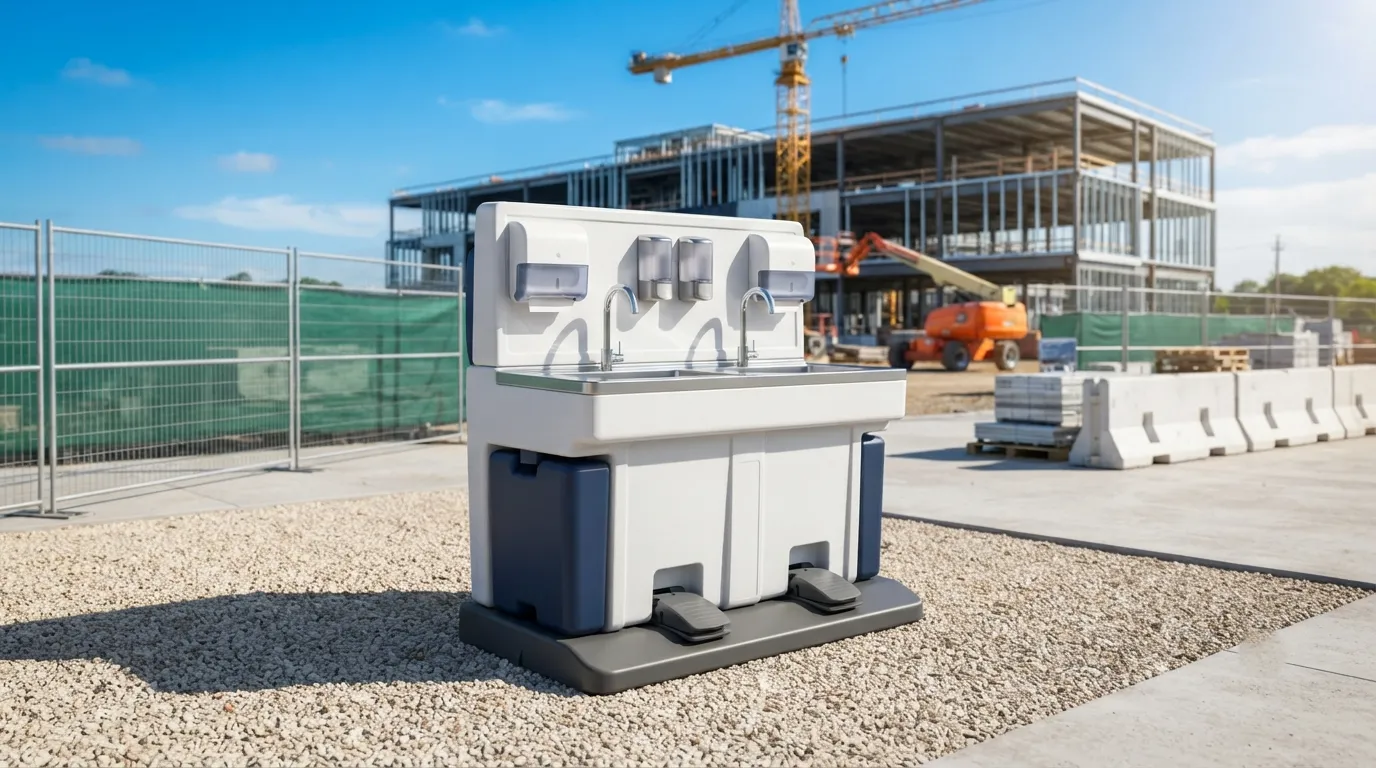
Speed depends on road access and how many units the situation needs, but a single emergency porta potty rental can often land at a Provo address the same day. We keep standard units staged and ready, so a shelter, a triage point, or a damaged apartment complex does not wait days for a working toilet. Disaster response is not the same job as a weekend event. There is no lead time for permits, no chance to walk the site first, and often no power or water on site at all. That is why we also bring handwashing station rental units and portable sink rental setups alongside the toilets, since 29 CFR 1910.141(d)(2) requires soap and towels or a hand-drying device at any washing station, not just sanitizer. If the disaster has damaged a septic system directly, we treat that as its own emergency and dispatch through emergency septic service rather than waiting on the standard pumping schedule. Crews from Provo Porta Pros have run trucks down from jobs near Orem, 5.6 miles northwest, and Springville, 6.7 miles south, so backup capacity exists even when several sites need help the same week. We size the response to headcount, not guesswork, following the same ratio logic that governs any large deployment: how many porta potties do I need for a shelter is not the same math as for a job site.
What sanitation do shelters and relief sites actually need?
A relief site needs toilets, handwashing, and often a septic backup plan, all sized to how many people are staying and for how long. Where people are sleeping on-site for days, not hours, that changes the equation. We follow OSHA 1926.51(c)(1) as a baseline reference for toilet ratios, roughly one facility for every 20 people, one seat and one urinal per 40 people above that, scaling further at 200 or more. Shelters run by relief organizations aren't construction sites, but the ratio gives a workable planning number when nothing else is available. A standard unit holds 60 to 70 gallons before it needs servicing, which matters when disaster crews can't guarantee a normal weekly pump-out schedule. For sites with limited mobility populations, including elderly evacuees or people using wheelchairs, we add ADA accessible porta potty units built to ADA Standards 404.2.3, which sets a 32 inch minimum clear door opening, and ADA Standards 304.3.1, which calls for a 60 inch turning circle inside. ADA Standards 213.2 requires that at least 5 percent of any cluster of single-user units be accessible, never fewer than one, and we hold to that even under emergency timelines. For longer-term shelter operations, a restroom trailer rental gives more privacy and climate control than open-air units, and an 8 stall restroom trailer can carry a larger shelter population without long lines. If flooding has knocked out a building's normal restrooms, a portable restroom rental block outside can keep the facility functioning while repairs happen inside.
Can disaster relief sanitation handle septic and water damage too?
Yes, and it often has to, because flooding and storm damage frequently take out septic systems along with everything else. A residential tank is normally pumped every 3 to 5 years depending on tank size and household count, but a flooded or displaced tank can need emergency service well outside that cycle. Our septic pumping service crews handle that overflow work directly, and if a system has backed up into a home, septic tank cleaning is often the first call before repairs start. Where a tank is damaged and can't be used at all, a holding tank rental bridges the gap until the permanent system is fixed. Commercial kitchens hit by flooding face their own version of this problem: a grease interceptor is due for pumping once fats, oils, grease, and solids reach 25 percent of the liquid depth, and disaster conditions can push that threshold fast. That work runs through grease trap pumping. Debris removal usually runs in parallel with sanitation, and a roll-off dumpster rental clears storm debris while restrooms and septic work continue. Sites that need to secure a damaged property while work is underway often add temporary fence rental to keep people out of hazardous areas. Provo households and property managers can find pricing context on the septic tank pumping cost page before calling.
| unit | duration | typical | high |
|---|---|---|---|
| standard | day | 150 | 350 |
| septic | day | 250 | 300 |
| ada | day | 230 | 400 |
Does emergency service cost more than a standard rental?
Yes, emergency dispatch and short-notice delivery run higher than a planned rental. A standard unit typically runs 150 to 350 dollars a day depending on urgency, and septic emergency calls fall in a similar day-rate band. Check porta potty rental cost for how planned and emergency pricing compare.
How many toilets does a shelter of 100 people need?
Using OSHA 1926.51(c)(1) as a planning guide, roughly 5 units cover 100 people at the base ratio. Actual shelter needs vary with duration and mobility needs, so we walk through specifics on the how many porta potties do I need page.
Can you deliver without a paved driveway or damaged roads?
Often, yes, but access still matters. Roll-off and trailer deliveries need clearance, and a roll-off truck alone needs about 60 feet of straight space behind it. Call ahead so we can plan the route.
Do you provide handwashing separate from the toilets?
Yes. Handwashing stations get delivered alongside restrooms, stocked with soap and towels per 29 CFR 1910.141(d)(2). See handwashing station rental for unit details and setup.
What if the disaster damaged our septic tank directly?
Call emergency septic service first. We assess whether the tank needs pumping, repair, or a temporary holding tank rental while the system is offline.
Next step
Get a delivery date
Tell us the address, the dates and the headcount. We size the order and confirm the route.